The case
This case is a pivotal moment in my career. When my former company, Dream Like, merged with PersonaleZonen, we faced a massive technical challenge: unifying them under one brand. The strategic decision was to completely rebuild the legacy PersonaleZonen platform. I successfully championed a move away from the old WordPress stack to a modern NextJS framework, arguing for its benefits in performance, scalability, and developer efficiency.
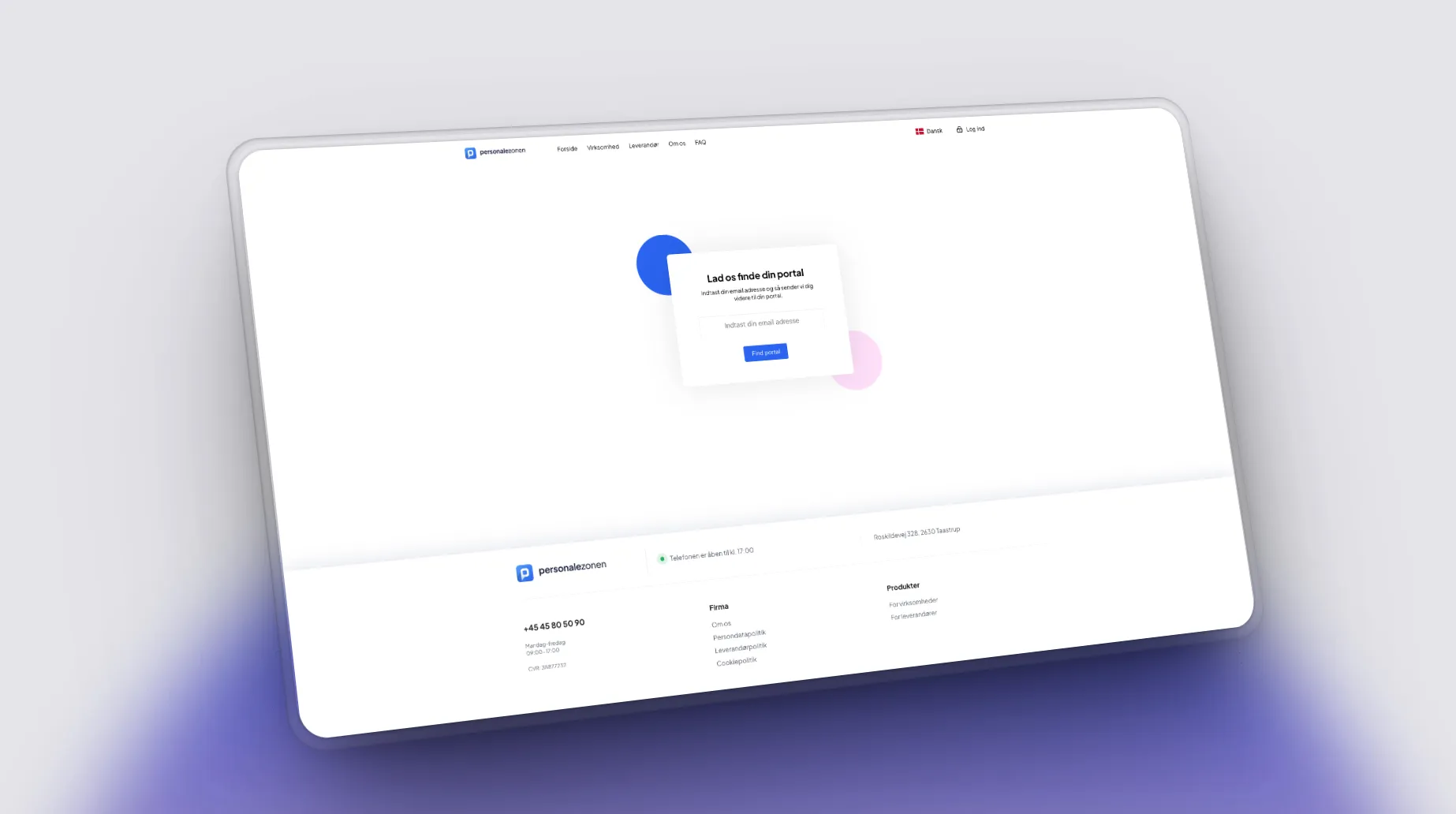
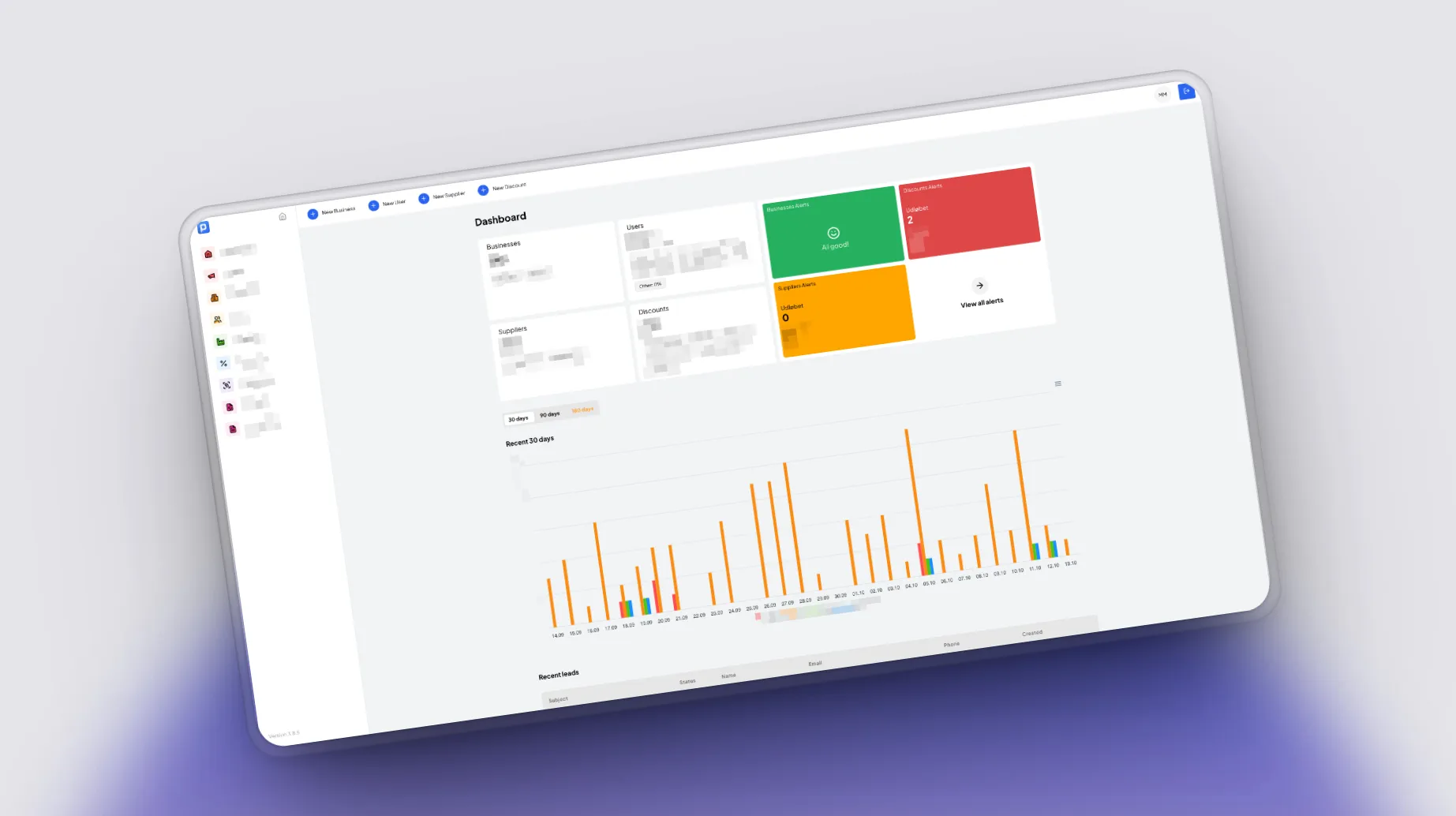
As the sole developer on this initial phase, I was tasked with an ambitious goal: rebuild and port the entire ecosystem—including the landing page, client portal, and administration dashboard—in just two months. This required agile development and strategic prioritization to deliver a Minimum Viable Product (MVP) that was stable and functional. Despite the intense pressure, I met the deadline, successfully migrating the entire company to a faster, more robust React-based application. This project stands as a testament to my ability to drive digital transformation and execute complex platform migrations under tight deadlines.
As the sole developer on this initial phase, I was tasked with an ambitious goal: rebuild and port the entire ecosystem—including the landing page, client portal, and administration dashboard—in just two months. This required agile development and strategic prioritization to deliver a Minimum Viable Product (MVP) that was stable and functional. Despite the intense pressure, I met the deadline, successfully migrating the entire company to a faster, more robust React-based application. This project stands as a testament to my ability to drive digital transformation and execute complex platform migrations under tight deadlines.
Why Next.js?
As a developer, my focus is always on the long-term health and scalability of a product. I don't look for the easiest solution; I advocate for the right solution. Our leadership was unsatisfied with the limitations of the old platform, so the merger was the perfect catalyst for a ground-up rebuild. We needed a technology that was built for the future.
We chose Next.js for several strategic reasons. First and foremost, its server-side rendering (SSR) capabilities were crucial for achieving top-tier performance and SEO, which are vital for a public-facing landing page and client portal. Secondly, as a full-stack React framework, it allowed us to build a seamless, full-stack application with our API endpoints neatly integrated alongside the frontend, simplifying deployment and improving overall cohesion.
This project was also a major personal growth opportunity. While my React foundation was solid, I was thrown into the deep end with Next.js. I embraced the challenge, rapidly upskilling to not only architect and build the new platform but also to engineer the complex data migration that ported all critical information from the old system. This hands-on, baptism-by-fire approach cemented my expertise in the Next.js framework and proved my ability to deliver under pressure while making pivotal technology stack decisions.
We chose Next.js for several strategic reasons. First and foremost, its server-side rendering (SSR) capabilities were crucial for achieving top-tier performance and SEO, which are vital for a public-facing landing page and client portal. Secondly, as a full-stack React framework, it allowed us to build a seamless, full-stack application with our API endpoints neatly integrated alongside the frontend, simplifying deployment and improving overall cohesion.
This project was also a major personal growth opportunity. While my React foundation was solid, I was thrown into the deep end with Next.js. I embraced the challenge, rapidly upskilling to not only architect and build the new platform but also to engineer the complex data migration that ported all critical information from the old system. This hands-on, baptism-by-fire approach cemented my expertise in the Next.js framework and proved my ability to deliver under pressure while making pivotal technology stack decisions.
My Part
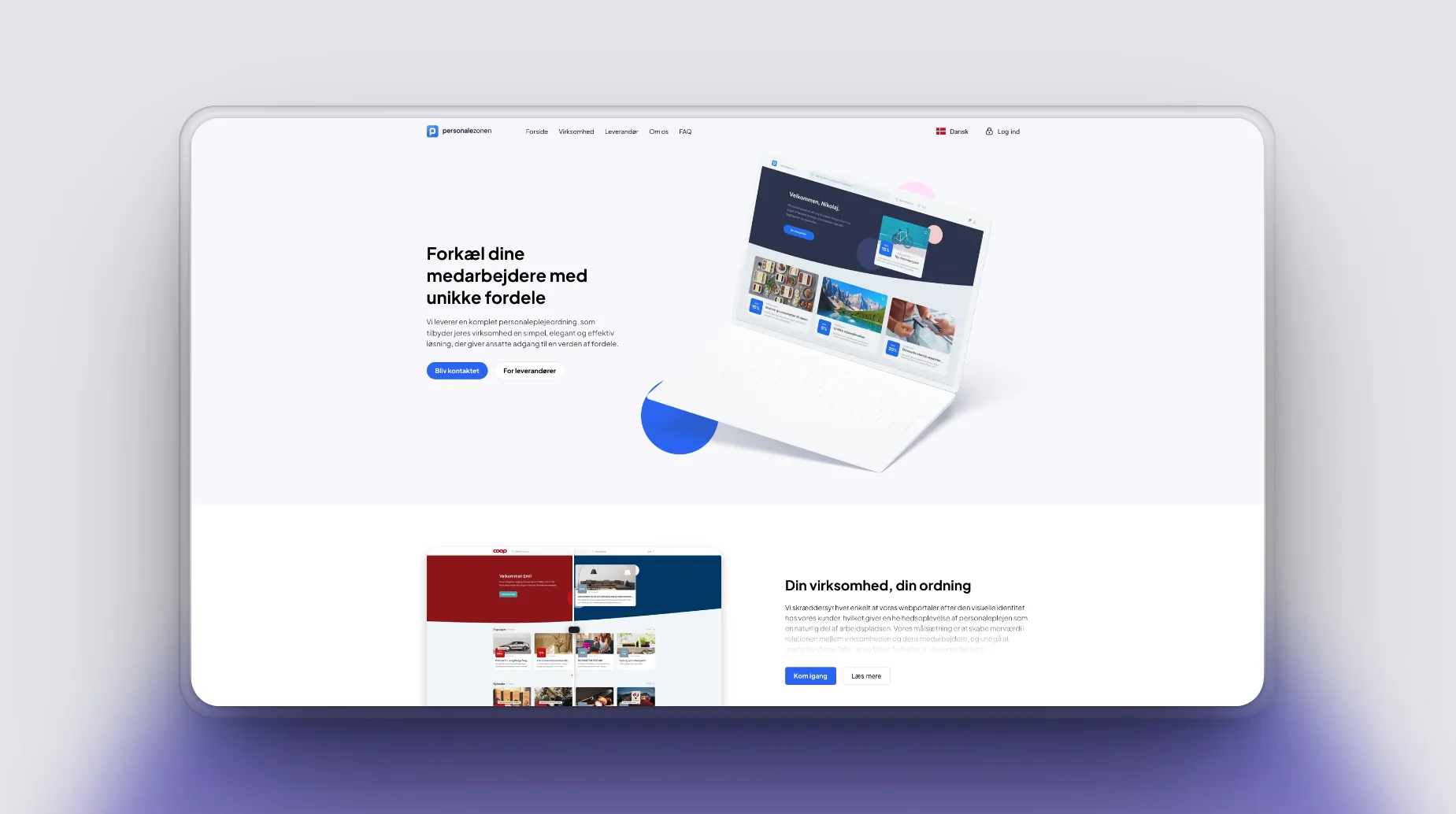
As the sole developer on this project for over 1.5 years, I was responsible for the entire software development lifecycle, from initial architecture to deployment. My mandate was to rebuild the legacy platform with a modern tech stack, but with a key constraint: the public-facing landing page had to be a near-identical visual copy of the old one, with only minor updates permitted.
While the front-end design was largely dictated, my real impact was under the hood. I was in complete charge of:
- System Architecture & Setup: Designing and initializing the entire Next.js project structure.
- Database Design & Optimization: Building the data models and implementing strategic database indexing for optimal query performance and scalability.
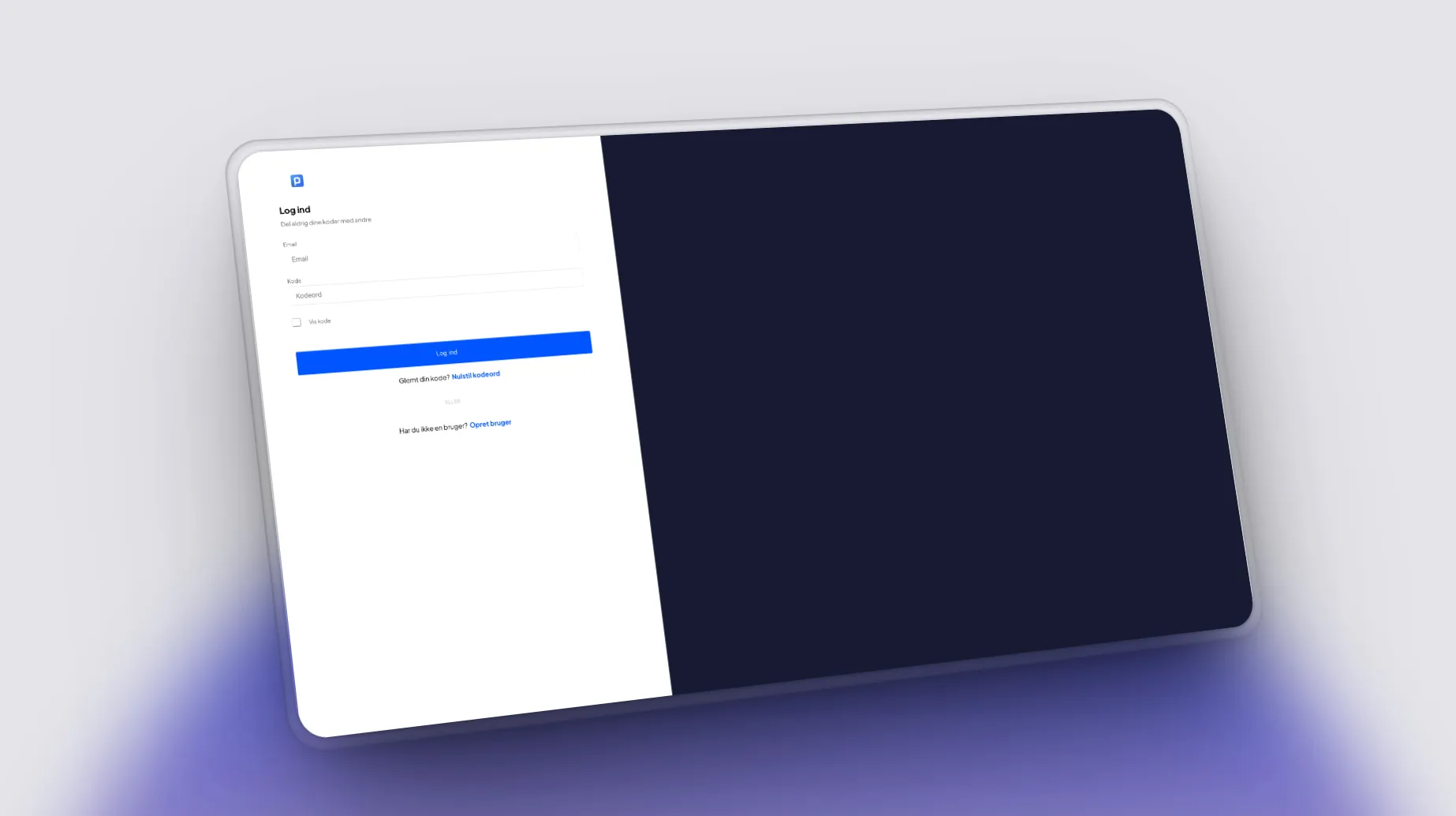
- Core Platform Features: Engineering the entire user authentication system, secure password reset flows, and role-based access control.
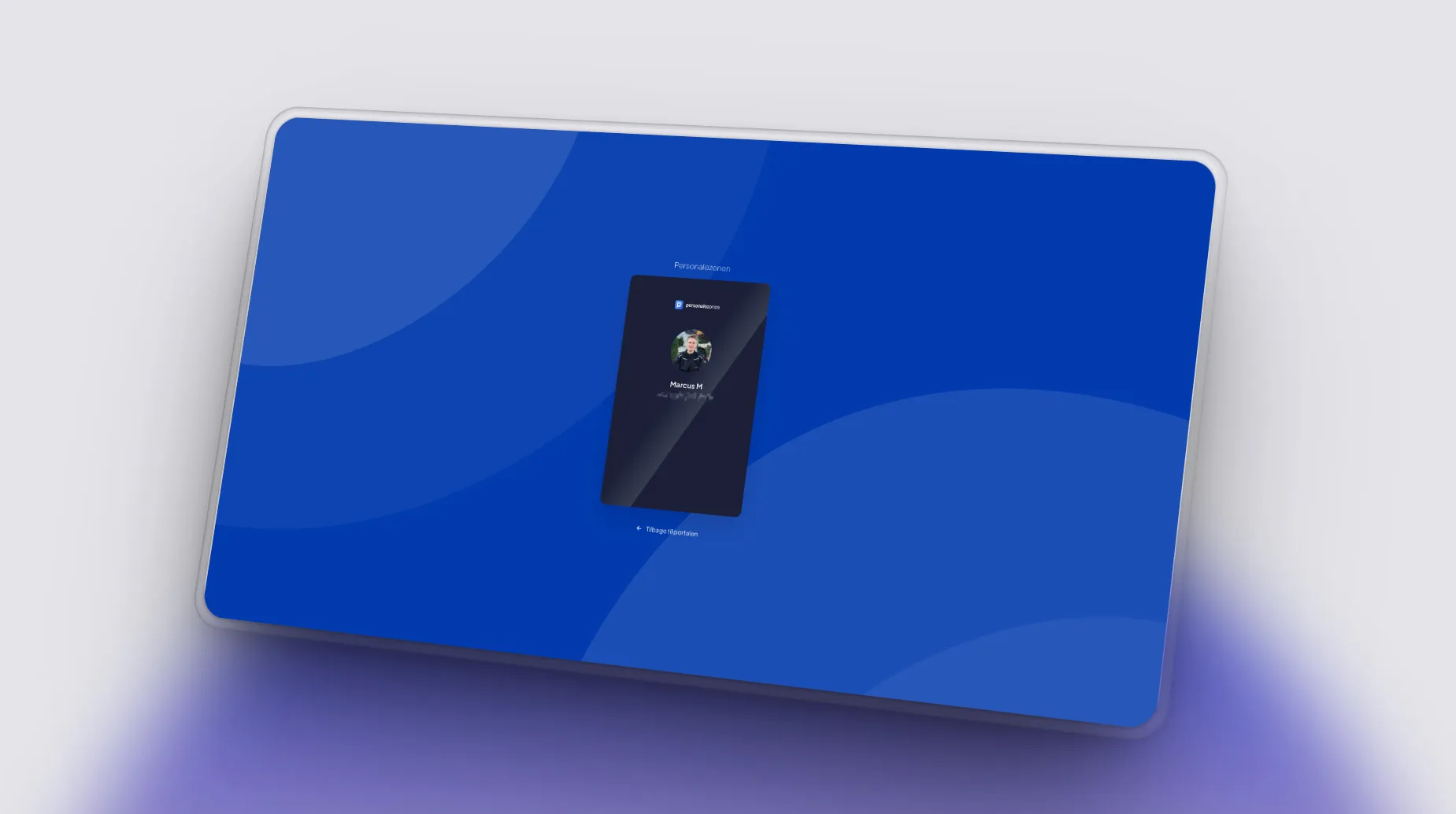
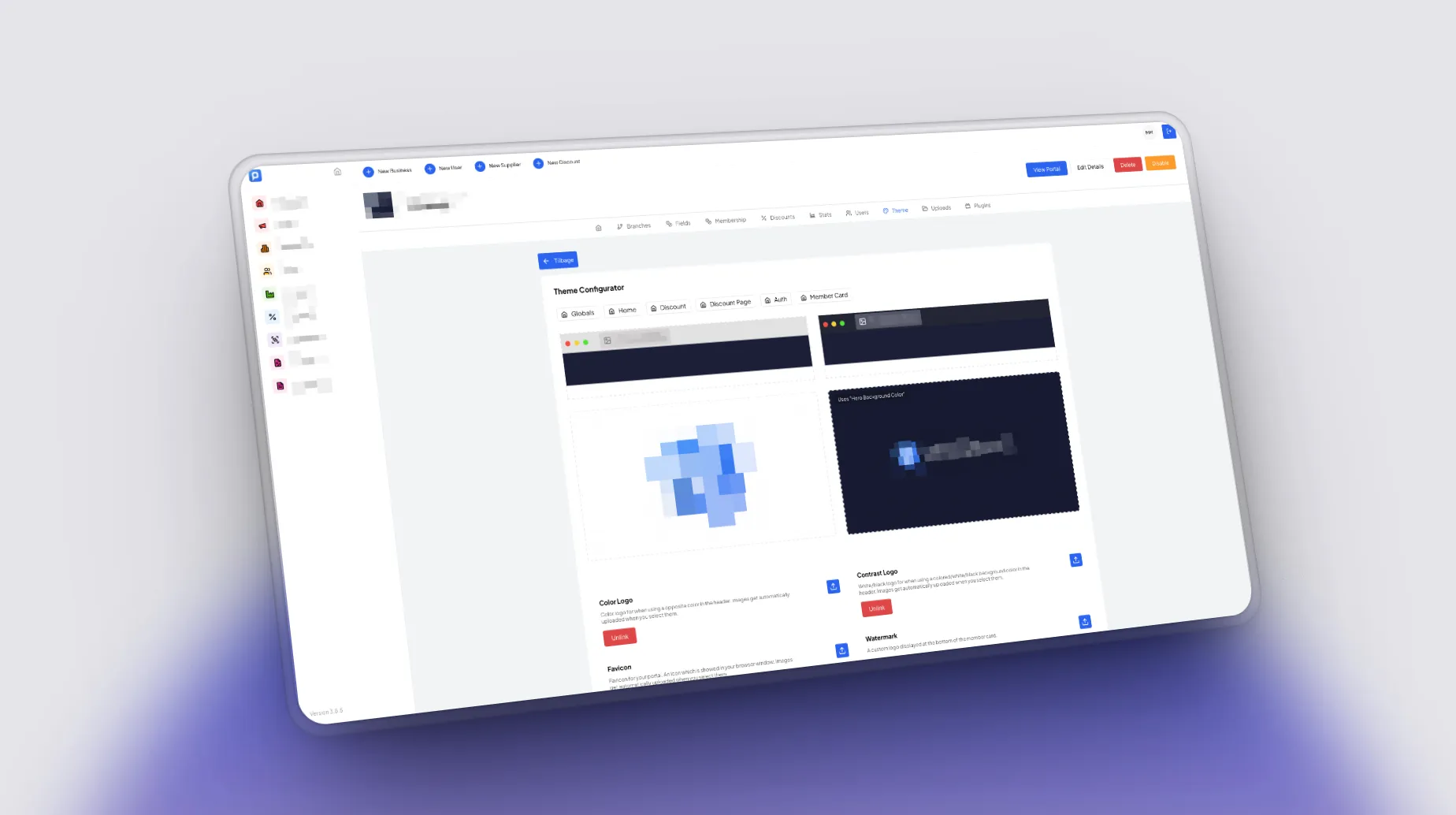
- A Customizable White-Label Portal: Developing a powerful, in-house theme editor within the admin dashboard. This allowed clients to fully customize their employee portals, from background colors and logos to button hover effects, providing a truly branded experience.
- Third-Party API Integrations: I built a robust ecosystem of integrations, including:
- - CVR API for automatic business information lookup.
- - Drip Mailing for newsletter and marketing automation.
- - SMS Gateway for phone number verification and notifications.
- - PostHog for comprehensive product analytics and error tracking.
After establishing this solid foundation, other developers joined the project. I then transitioned to a senior and supportive role, providing architectural guidance and helping to implement advanced features like the Zenegy Payroll integration. This feature allows a company to automatically import all its employees directly from their payroll system, enabling instant portal provisioning - a testament to the scalable and extensible platform I built from the ground up.
While the front-end design was largely dictated, my real impact was under the hood. I was in complete charge of:
- System Architecture & Setup: Designing and initializing the entire Next.js project structure.
- Database Design & Optimization: Building the data models and implementing strategic database indexing for optimal query performance and scalability.
- Core Platform Features: Engineering the entire user authentication system, secure password reset flows, and role-based access control.
- A Customizable White-Label Portal: Developing a powerful, in-house theme editor within the admin dashboard. This allowed clients to fully customize their employee portals, from background colors and logos to button hover effects, providing a truly branded experience.
- Third-Party API Integrations: I built a robust ecosystem of integrations, including:
- - CVR API for automatic business information lookup.
- - Drip Mailing for newsletter and marketing automation.
- - SMS Gateway for phone number verification and notifications.
- - PostHog for comprehensive product analytics and error tracking.
After establishing this solid foundation, other developers joined the project. I then transitioned to a senior and supportive role, providing architectural guidance and helping to implement advanced features like the Zenegy Payroll integration. This feature allows a company to automatically import all its employees directly from their payroll system, enabling instant portal provisioning - a testament to the scalable and extensible platform I built from the ground up.
The Platform Today
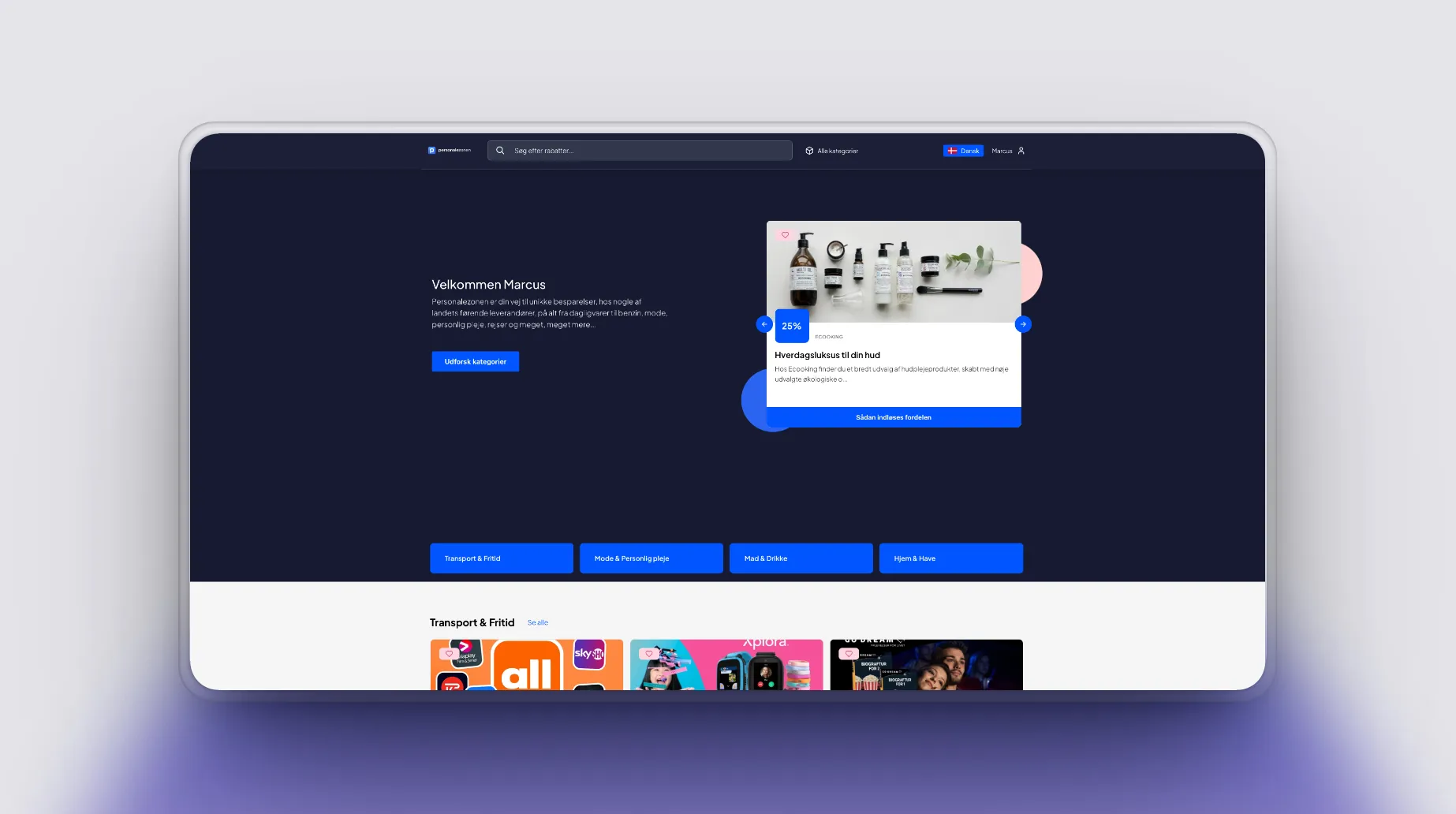
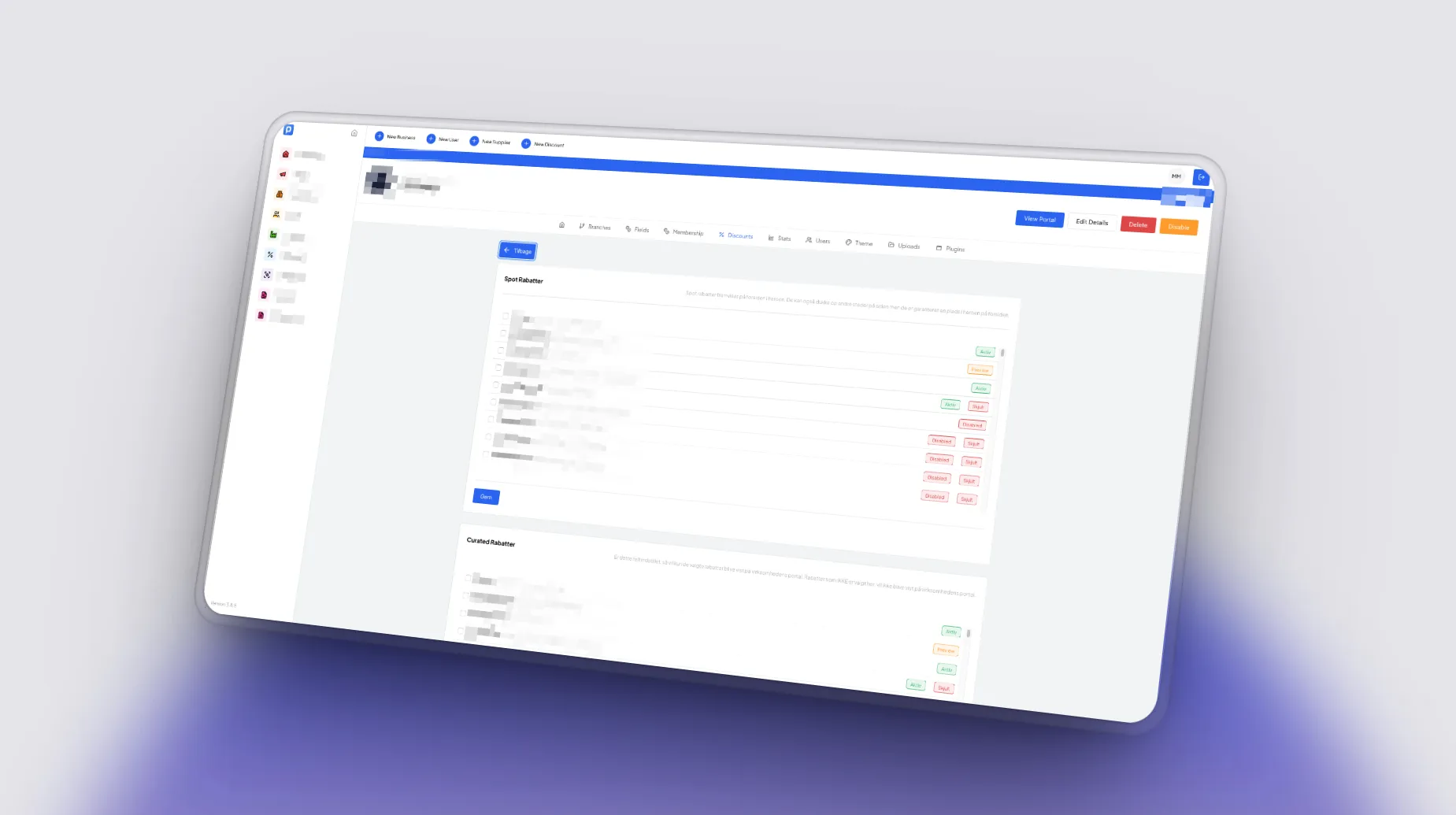
As the sole architect and developer for over 1.5 years, I built a foundation that has proven incredibly robust. While the exact user count is confidential, the PersonaleZonen platform now reliably serves around hundred thousand users ( +/- ), processing deals and managing complex integrations at scale. It's a system I'm not just proud of building - I'm an active user. I personally found an amazing deal through the platform, saving 60% on a fancy pillow, which is a daily reminder that our work has a direct, positive impact on people's lives. Since I transitioned to oversee other strategic projects, the team has successfully expanded on this foundation, adding even more features. This project stands as a testament to my ability to deliver a future-proof, full-stack application that drives real business value and user satisfaction.
What did I learn from this project?
This project was a monumental learning experience that fundamentally shaped my approach to modern web development. While I successfully delivered a full-stack application with Next.js, I concluded that using a single framework for both frontend and backend isn't my preferred architecture. I found that a separated, decoupled structure-specifically, a Nuxt.js frontend with a dedicated Laravel API backend-offers superior flexibility, scalability, and developer experience for complex applications.
On a technical level, I deepened my expertise in building secure, production-ready systems. I advanced from a solid React foundation to mastering full-stack development with TypeScript, implementing robust authentication flows, and hardening the platform against vulnerabilities like timing attacks. Building everything from the database schema to the customizable theme editor gave me unparalleled, end-to-end insight into what it takes to launch and maintain a high-traffic platform. Despite the immense pressure, the challenge was incredibly rewarding, and it solidified my passion for architecting thoughtful, powerful, and user-centric digital products.
On a technical level, I deepened my expertise in building secure, production-ready systems. I advanced from a solid React foundation to mastering full-stack development with TypeScript, implementing robust authentication flows, and hardening the platform against vulnerabilities like timing attacks. Building everything from the database schema to the customizable theme editor gave me unparalleled, end-to-end insight into what it takes to launch and maintain a high-traffic platform. Despite the immense pressure, the challenge was incredibly rewarding, and it solidified my passion for architecting thoughtful, powerful, and user-centric digital products.